

Understanding Civic Sense
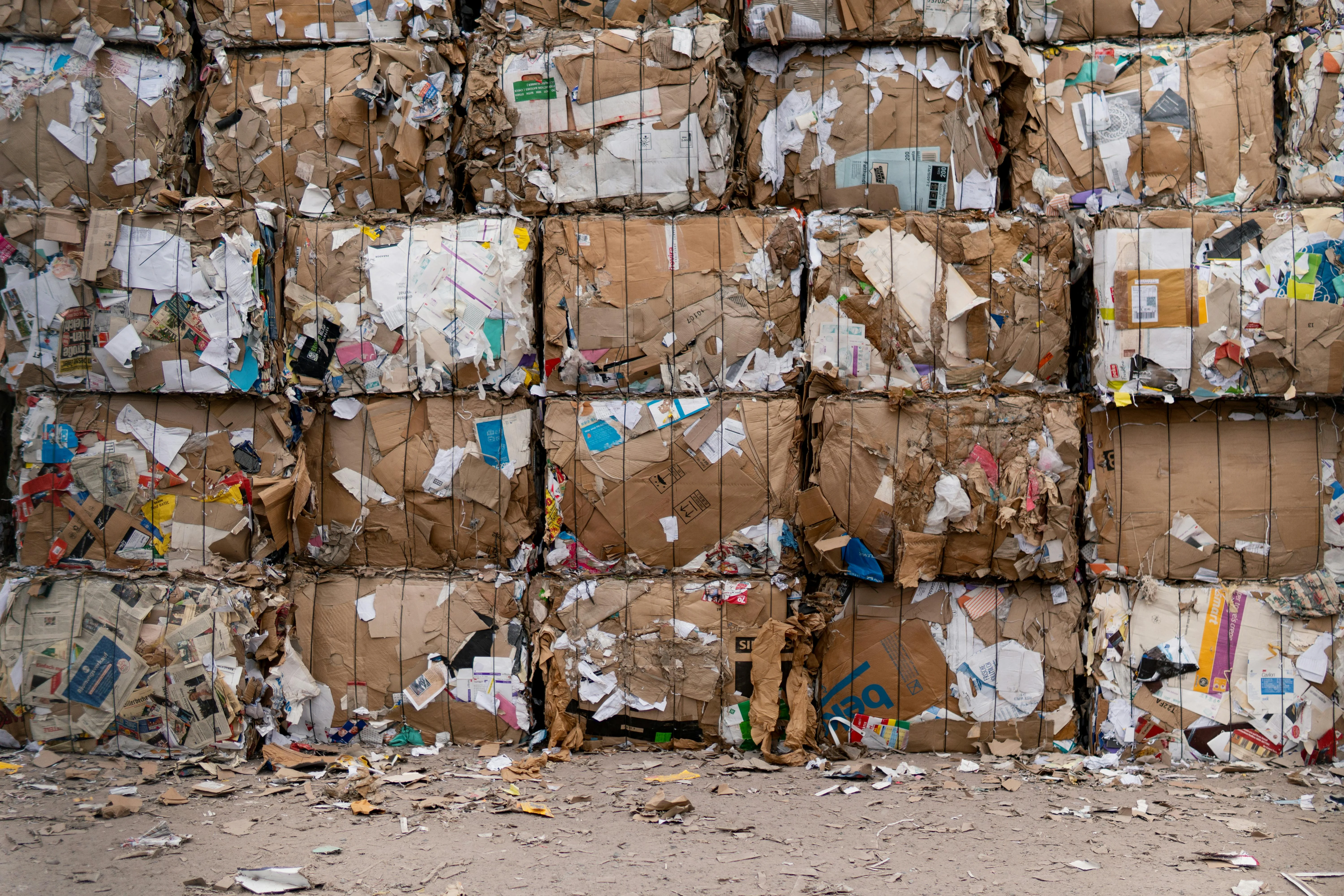
A civilised society is built on civic sense. It refers to the social ethics, respect, and responsibility that citizens show towards their community and environment. In simpler words, civic sense is about doing the right thing in public spaces — like not littering, following rules, and caring for shared resources.
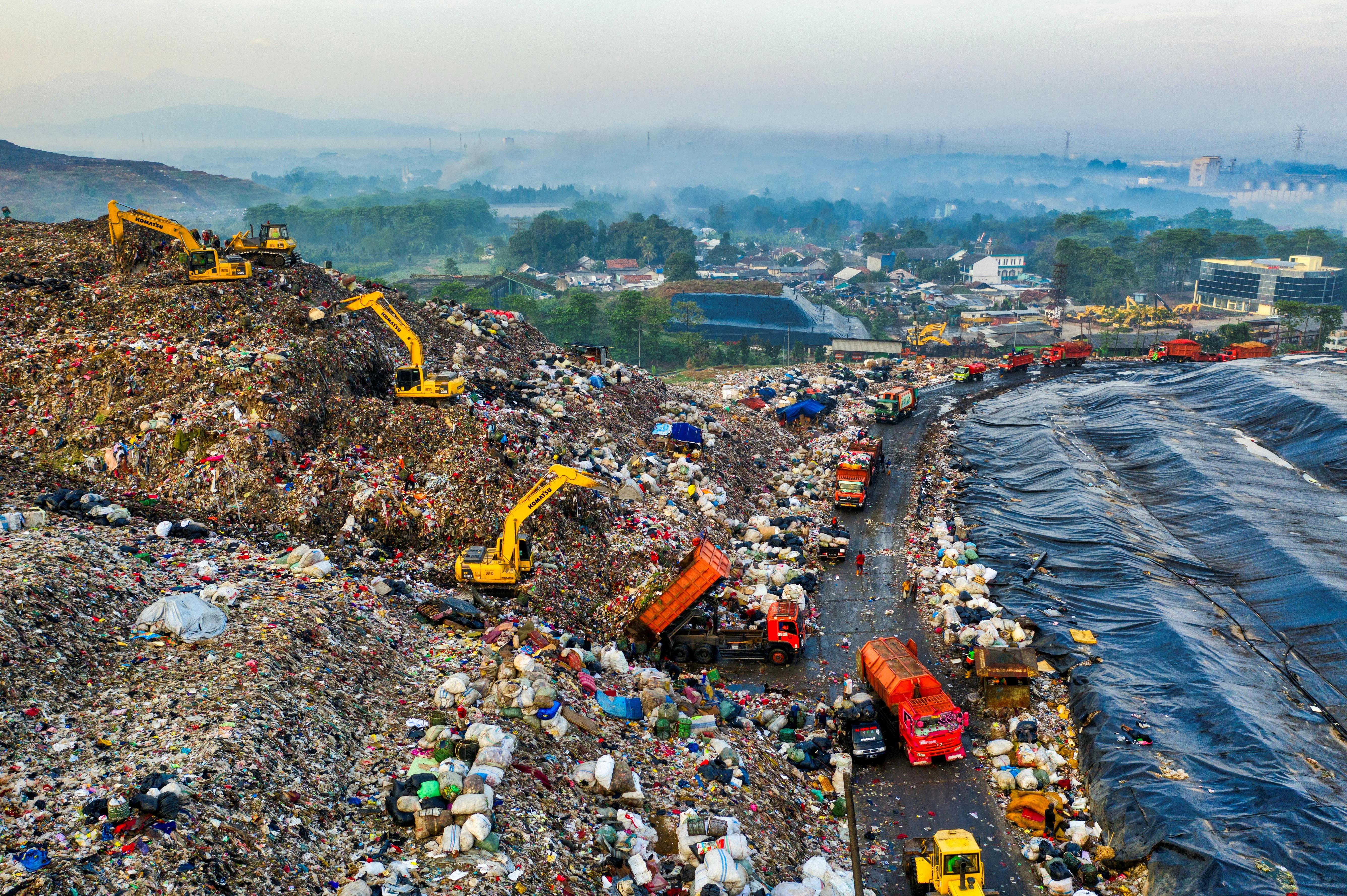
In India, rapid urbanization and population growth have made civic sense more important than ever. From overflowing dustbins to plastic-filled drains, poor waste management has become one of our biggest urban challenges. Yet, the problem is not just about a lack of infrastructure — it’s about behaviour. When people throw waste on the streets or dump garbage in open areas, it reflects a lack of civic responsibility.
Civic sense and waste management are deeply connected. Without responsible citizens, even the best waste collection systems will fail.
The Current Scenario of Waste Management in India
India generates over 160,000 tonnes of municipal solid waste every day — and this number keeps rising. While cities like Indore and Surat have made impressive progress, many urban areas still struggle with improper disposal, open dumping, and poor segregation.
According to the Swachh Bharat Mission, nearly 70% of waste collected in urban India is dumped in landfills, while only a small percentage is properly processed or recycled. These landfills not only cause environmental pollution but also affect the health of people living nearby.
The good news is that change is happening — slowly but surely. Cities that have encouraged citizen participation in cleanliness drives and responsible waste disposal have seen lasting results. This proves that waste management is not just a government task — it’s a shared duty that begins with each of us.
How Civic Sense Influences Waste Management
Civic sense plays a direct role in how effectively waste is managed in any society. When people take responsibility for their surroundings, the entire system functions smoothly. Here’s how civic sense impacts waste management:
1. Waste Segregation at Source
One of the most important aspects of waste management is segregating waste into dry and wet categories. Unfortunately, many households still dump everything together, making recycling difficult.
When citizens separate biodegradable and non-biodegradable waste, it not only reduces the burden on landfills but also promotes recycling and composting.
For example, in Indore, every household follows strict waste segregation rules. Residents hand over their waste to collection vans daily, already separated into wet and dry categories. This simple act of civic responsibility has made Indore India’s cleanest city for several consecutive years.
2. Avoiding Littering and Dumping
A major civic issue in India is littering — whether it’s throwing plastic wrappers out of car windows or dumping garbage near street corners. Such behavior reflects a lack of civic awareness and creates serious environmental and health problems.
Cities like Mysuru and Ambikapur have tackled this through citizen-driven awareness programs and fines for littering. Ambikapur, for instance, has become one of the cleanest cities in India through its “Zero Waste” initiative, where citizens actively participate in segregation, composting, and recycling.
3. Reducing Plastic Waste
Another critical area of civic responsibility is reducing single-use plastic. Despite government bans, plastic bags and bottles remain common due to careless behavior. Developing civic sense means choosing alternatives — cloth bags, metal bottles, and reusable containers — instead of harmful plastic.
The Tamil Nadu government’s plastic ban succeeded largely because of citizens’ cooperation. Local communities and students led awareness campaigns, encouraging people to switch to eco-friendly options.
4. Community Participation
Civic sense isn’t only about personal habits — it’s also about community involvement. Neighborhood cleanliness drives, composting initiatives, and recycling programs build a collective sense of responsibility.
In Pune, housing societies have taken charge of their waste by setting up composting pits and biogas plants. By converting kitchen waste into manure or energy, they’ve reduced the load on municipal waste systems.
Such examples show that when people care for their surroundings, sustainable waste management becomes achievable.
Challenges in Promoting Civic Sense
Despite progress, India still faces major challenges in strengthening civic sense:
Lack of Awareness: Many citizens don’t realize how their actions affect the environment.
Inadequate Infrastructure: Poor waste collection systems discourage proper disposal.
Cultural Habits: Littering or burning waste is often accepted as “normal behavior.”
Limited Enforcement: Weak implementation of fines and penalties allows bad habits to continue.
To overcome these issues, civic education must start early — in schools, families, and communities. When children grow up understanding the importance of cleanliness and responsibility, they become adults who naturally respect public spaces.
How We Can Improve Civic Sense for Better Waste Management
Building civic sense doesn’t require huge efforts — just small, consistent actions:
Segregate your waste into wet, dry, and hazardous categories.
Avoid littering — always look for dustbins or carry your waste home.
Use reusable products instead of single-use plastics.
Participate in community clean-up drives.
Educate others — friends, family, and neighbors — about proper waste habits.
Report illegal dumping or burning to local authorities.
Support recycling businesses and local waste collectors.
When everyone does their part, waste management becomes not just easier, but more sustainable.
Government Initiatives Supporting Civic Sense and Waste Management
India’s government has introduced several initiatives that encourage civic participation in cleanliness:
Swachh Bharat Abhiyan (Clean India Mission): A nationwide campaign promoting hygiene, sanitation, and waste segregation.
Swachh Survekshan Rankings: Annual surveys that reward cities for effective waste management and citizen participation.
Plastic Waste Management Rules: Regulations encouraging recycling and banning single-use plastics.
Smart City Mission: Projects that include smart waste collection and awareness programs.
But these initiatives can only succeed when citizens cooperate. Government action plus civic sense equals lasting impact.
Conclusion: Clean India Starts with Civic Sense
Civic sense and waste management go hand in hand. A clean, healthy, and sustainable India cannot be achieved by government efforts alone — it requires conscious citizens who understand their responsibilities.
When we throw garbage in bins, segregate waste, and participate in community efforts, we show respect for our surroundings and for future generations. The transformation of cities like Indore, Mysuru, and Ambikapur proves that change begins with awareness and small daily actions.
Cleanliness is not just a policy — it’s a practice, and it begins with civic sense.