
Omega-3 Supplements: Benefits, Types, Dosage, and How to Choose the Best One
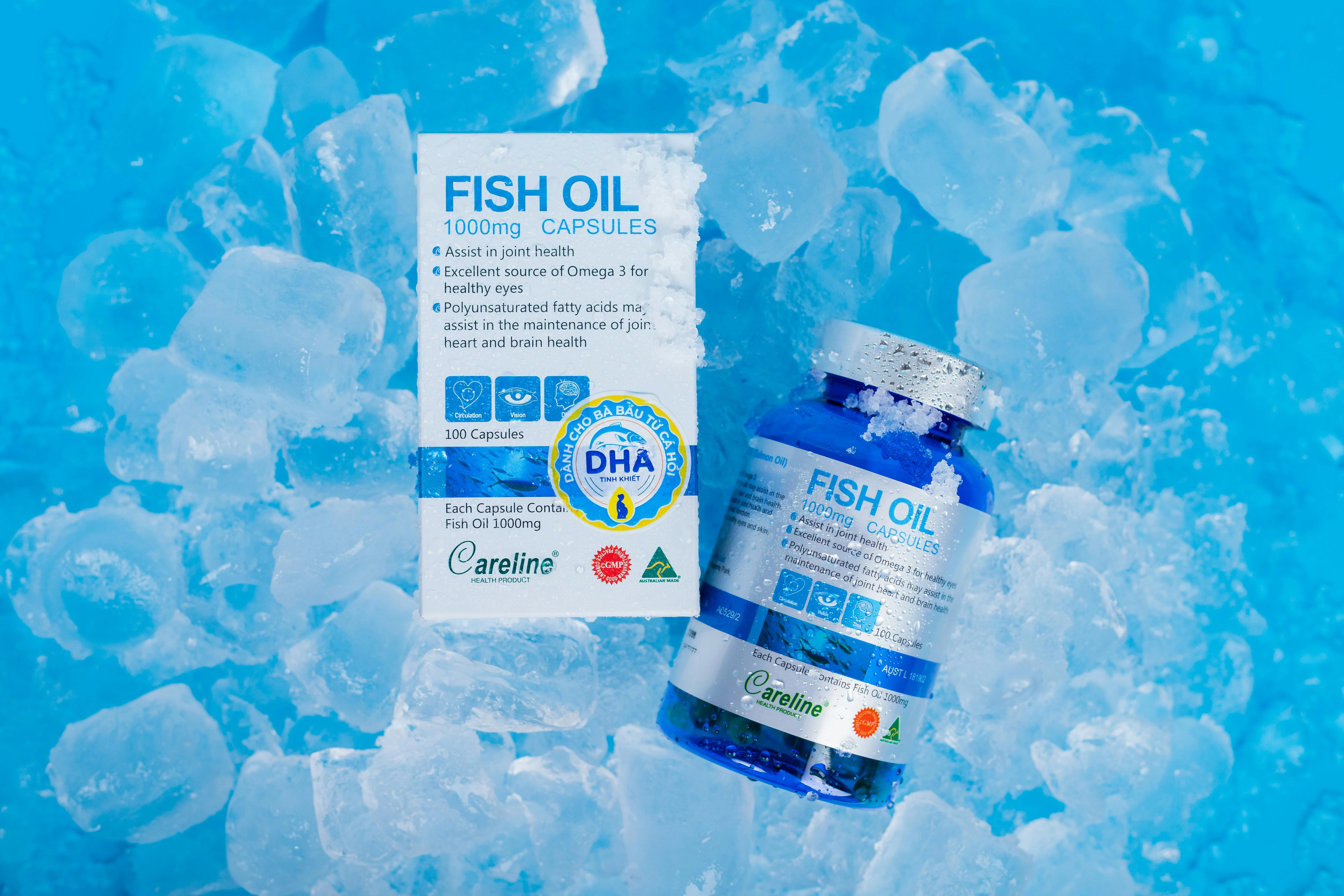
Omega-3 supplements have become one of the most popular dietary supplements worldwide—and for good reason. From supporting heart health to improving brain function and reducing inflammation, omega-3 fatty acids play a crucial role in overall wellness. However, with so many options available, choosing the right omega-3 supplement can feel overwhelming. This detailed guide explains what omega-3 supplements are, their health benefits, types, dosage, side effects, and how to select the best omega-3 supplement for your needs. What Are Omega-3 Supplements? Omega-3 supplements are dietary supplements that provide essential fatty acids the body cannot produce on its own. These fatty acids are vital for maintaining heart, brain, joint, and eye health. Omega-3s are commonly sourced from: • Fish oil • Krill oil • Algal oil (plant-based) • Flaxseed oil Because modern diets often lack sufficient omega-3 intake, supplements help bridge the nutritional gap.
Types of Omega-3 Fatty Acids
Omega-3 fatty acids are classified into three categories, each with its own set of benefits. 1. EPA (Eicosapentaenoic Acid) EPA is known for its powerful anti-inflammatory properties and is particularly beneficial for heart health and mood regulation. Benefits of EPA: • Reduces inflammation • Supports cardiovascular health • Helps manage depression and anxiety
2. DHA (Docosahexaenoic Acid) DHA is a key structural component of the brain and eyes. Benefits of DHA: • Supports brain development and function • Improves memory and cognitive performance • Promotes eye health
3. ALA (Alpha-Linolenic Acid) ALA is found in plant-based sources and must be converted into EPA and DHA, though conversion efficiency is low. Sources include: • Flaxseeds • Chia seeds • Walnuts
Health Benefits of Omega-3 Supplements
1. Supports Heart Health Omega-3 supplements help: • Lower triglyceride levels • Reduce blood pressure • Prevent plaque buildup in arteries Regular intake is linked to a lower risk of heart disease and stroke.
2. Improves Brain Function and Mental Health Omega-3 fatty acids are essential for brain cell communication. Supplementation may: • Improve memory and focus • Reduce symptoms of depression • Support mental clarity DHA is especially important for children, pregnant women, and older adults.
3. Reduces Inflammation and Joint Pain Omega-3 supplements are widely used for managing inflammatory conditions like arthritis. They help reduce: • Joint stiffness • Muscle soreness • Chronic inflammation
4. Enhances Eye Health DHA is a major component of the retina. Adequate omega-3 intake may: • Prevent dry eye syndrome • Reduce age-related vision decline
5. Supports Skin and Hair Health Omega-3s improve skin hydration and elasticity while reducing acne and dryness. They also strengthen hair follicles and reduce hair fall.
Omega-3 Supplements for Specific Groups

Omega-3 for Women Omega-3 supplements may help: • Reduce PMS symptoms • Support hormonal balance • Improve pregnancy outcomes
Omega-3 for Men For men, omega-3s support: • Heart health • Testosterone regulation • Muscle recovery
Omega-3 for Children Omega-3 supplementation in children supports: • Brain development • Learning ability • Behavioral health Always consult a pediatrician before supplementation.
Best Omega-3 Supplement Sources 1. Fish Oil Supplements Fish oil is the most common and effective omega-3 supplement, rich in EPA and DHA. Best fish sources: • Salmon • Sardines • Anchovies
2. Krill Oil Supplements Krill oil is easier to absorb and contains antioxidants like astaxanthin.
3. Algal Oil (Vegan Omega-3) Algal oil is a plant-based source of DHA and EPA, ideal for vegetarians and vegans.
4. Flaxseed Oil Rich in ALA, flaxseed oil is a good option for those avoiding animal products.
Recommended Dosage of Omega-3 Supplements General guidelines suggest: • 250–500 mg of combined EPA and DHA per day for healthy adults • Higher doses for specific conditions (under medical supervision) Pregnant and breastfeeding women often require higher DHA intake.
How to Choose the Best Omega-3 Supplement When selecting an omega-3 supplement, look for: • High EPA and DHA content • Molecularly distilled for purity • Third-party tested • Free from heavy metals • Freshness certification Avoid products with artificial colors or unnecessary fillers.
Potential Side Effects of Omega-3 Supplements Omega-3 supplements are generally safe, but possible side effects include: • Fishy aftertaste • Mild digestive discomfort • Nausea (at high doses) Taking supplements with meals reduces side effects.
Omega-3 Supplements vs Natural Food Sources While fatty fish is the best natural source of omega-3s, supplements are convenient and effective for those who: • Don’t consume fish regularly • Have increased nutritional needs • Follow vegetarian or vegan diets Both food and supplements can be part of a healthy lifestyle.
Common Myths About Omega-3 Supplements Myth 1: All omega-3 supplements are the same Truth: Quality, absorption, and EPA/DHA content vary significantly. Myth 2: More omega-3 is always better Truth: Excess intake can cause side effects—balance is essential. Myth 3: Plant omega-3 is equally effective Truth: EPA and DHA are more bioavailable than ALA.
Final Thoughts: Are Omega-3 Supplements Worth It?
Omega-3 supplements offer a wide range of health benefits, from protecting your heart and brain to supporting joint and skin health. When chosen wisely and consumed in the right dosage, they are a powerful addition to a balanced diet.
Whether you opt for fish oil, krill oil, or plant-based omega-3 supplements, consistency and quality matter most. Always consult a healthcare professional if you have existing medical conditions or are taking medication. Conclusion
Omega-3 supplements are a valuable addition to a modern, health-conscious lifestyle, especially in diets that lack sufficient fatty fish or plant-based omega-3 sources. Backed by extensive research, omega-3 fatty acids—particularly EPA and DHA—play a critical role in supporting heart health, brain function, joint mobility, eye health, and overall inflammation control.
However, the true benefits of omega-3 supplements depend on quality, dosage, and consistency. Choosing a high-quality, purified supplement with adequate EPA and DHA content ensures better absorption and maximum results. While supplements are highly effective, they work best when combined with a balanced diet, regular physical activity, and healthy lifestyle habits.
It’s also important to remember that omega-3 supplements are not a quick fix or replacement for medical treatment. Individuals with existing health conditions, pregnant or breastfeeding women, and those taking medications should always consult a healthcare professional before starting supplementation.


The Rising Popularity of Protein-Rich Foods Among Health-Conscious Individuals


Hidden Sugars in Your Diet: How to Spot and Replace Them


The Best 5 Olive Oils and Their Benefits in 2025


What Are The Healthy Good Foods to Add In Our Daily Lifestyle