
How to Increase Calcium in the Body Naturally?
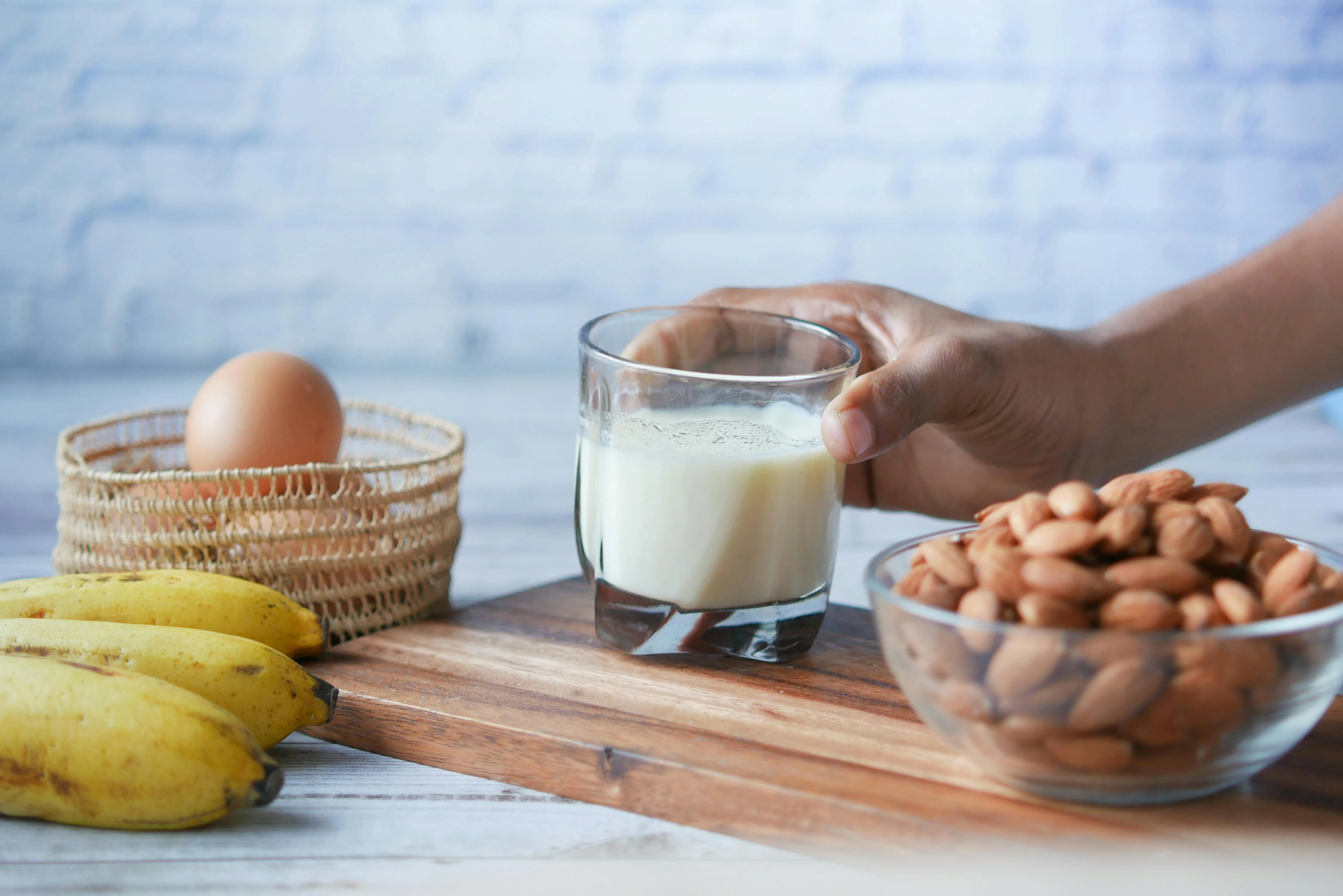
To increase calcium in the body naturally, eat calcium-rich foods like
Milk
Curd
Paneer
Ragi
Sesame seeds
Almonds
and green leafy vegetables. Support absorption by getting enough Vitamin D from sunlight, and reduce caffeine and salt intake. Consistently following a balanced, calcium-rich diet helps meet daily calcium needs and keeps bones strong.
Calcium Rich Foods in India for Strong Bones (Vegetarian Guide)
When it comes to maintaining strong bones and overall health, calcium plays a vital role. In India, where a large population follows a vegetarian diet, meeting daily calcium needs can sometimes feel challenging. However, the good news is that there are plenty of calcium rich foods in India vegetarian and can help you build and maintain strong bones naturally.
In this guide, we’ll explore a complete calcium-rich Indian foods list, understand the daily calcium requirement in India, and learn how to incorporate these foods into your everyday diet.
Why Calcium is Important for Your Body
For starters, calcium is not only beneficial for bones. It is also necessary:
Building and maintaining strong bones and teeth
Supporting muscle function
Helping nerve signalling
Regulating heart rhythms
About 99% of the body’s calcium is stored in bones, making it crucial to consume enough calcium daily—especially for children, women, and older adults.
Daily Calcium Requirement in India
Understanding the daily calcium requirement in India is the first step toward better bone health:
Children (9–18 years): 1000–1300 mg/day
Adults: 600–800 mg/day
Pregnant & lactating women: 1200 mg/day
Elderly (above 50): 1000–1200 mg/day
Unfortunately, many Indians consume less than the recommended intake, which can lead to weak bones and conditions like osteoporosis.
Top Calcium-Rich Foods in India (Vegetarian)
Let’s dive into a well-rounded list of foods for strong bones in India that you can easily include in your daily diet.
1. Dairy Products (Milk, Curd, Paneer)
Dairy is one of the most accessible and effective sources of calcium in India.
Milk (1 glass): ~250 mg calcium
Curd (1 bowl): ~200 mg calcium
Paneer (100g): ~200–250 mg calcium
Tip: Opt for homemade curd and paneer for better nutrition.
2. Ragi (Finger Millet)
Ragi is a powerhouse of calcium and one of the best traditional Indian grains.
Calcium content: ~350 mg per 100g
It is especially beneficial for children and elderly individuals.
How to use: Ragi dosa, porridge, or roti.
3. Sesame Seeds (Til)
Tiny but mighty, sesame seeds are incredibly rich in calcium.
Calcium content: ~975 mg per 100g
How to use: Add to laddoos, chutneys, or sprinkle over salads.
4. Green Leafy Vegetables
Leafy greens are essential foods for strong bones in India.
Best options include:
Spinach (Palak)
Fenugreek leaves (Methi)
Amaranth leaves (Chaulai)
Tip: Cook lightly to retain nutrients and improve absorption.
5. Almonds
Almonds are not just good for brain health—they’re also rich in calcium.
Calcium content: ~250 mg per 100g
How to use: Soak almonds in the morning or almond milk.
6. Soy Products (Tofu, Soy Milk)
Soy-based foods are excellent vegetarian calcium sources.
Tofu (100g): ~350 mg calcium
Tip: Choose calcium-fortified soy products for better benefits.
7. Chickpeas (Chana) and Lentils (Dal)
Indian diets already include pulses, making it easier to meet calcium needs.
Chickpeas: ~105 mg per 100g
Lentils: Moderate calcium + high protein
How to use: Chole, dal, sprouts, or salads.
8. Figs (Anjeer)
Dried figs are a sweet and nutritious, calcium-rich snack.
Calcium content: ~160 mg per 100g
Tip: Soak overnight for better digestion.
9. Fortified Foods
Many packaged foods today are fortified with calcium, such as:
Fortified plant-based milk
Breakfast cereals
Tip: Always check labels before buying.
10. Jaggery (Gur)
A traditional Indian sweetener that also contains small amounts of calcium and iron.
How to use: Replace refined sugar with jaggery in recipes.
Best Food Combinations for Calcium Absorption
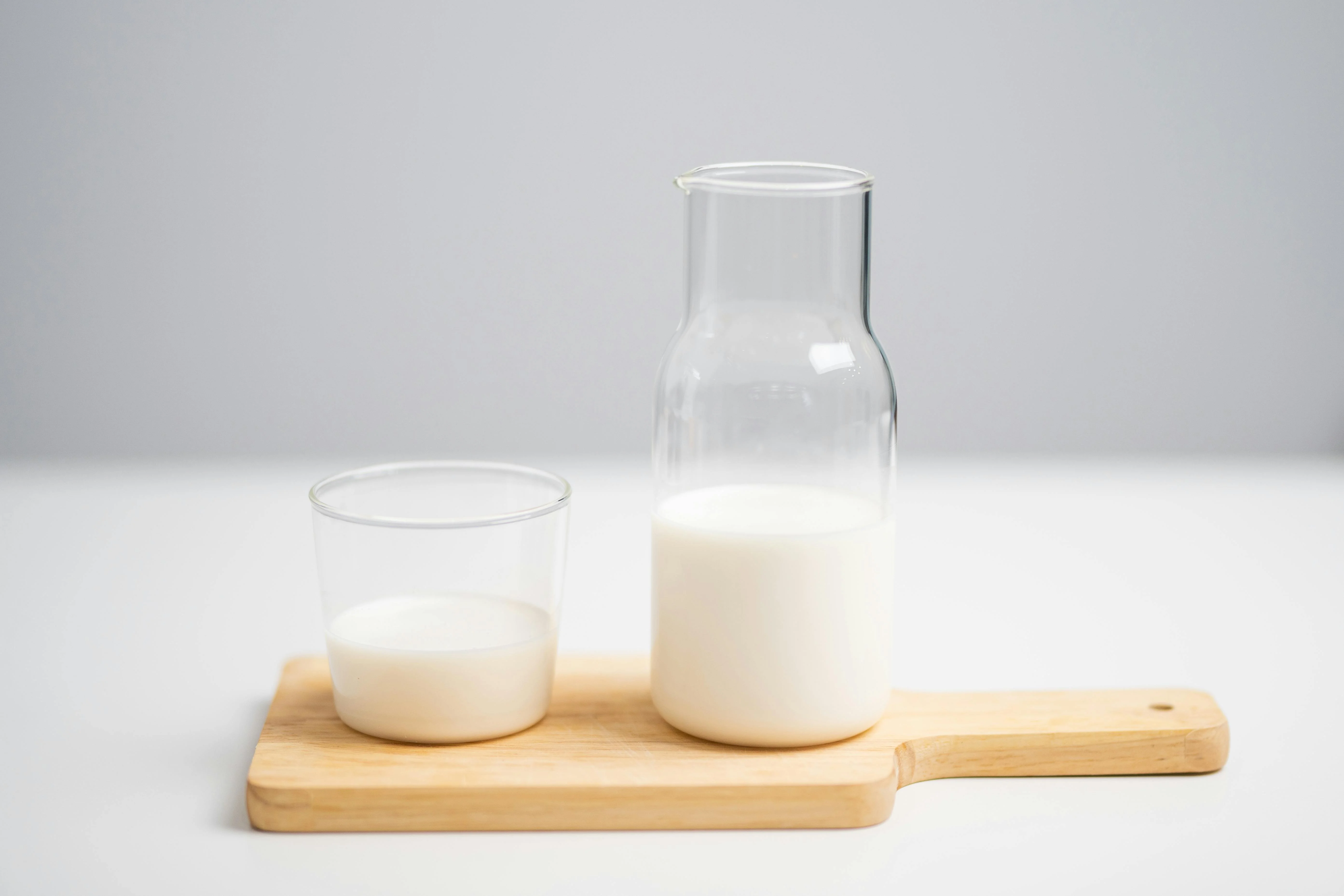
Eating calcium-rich foods alone is not enough—your body must absorb it properly.
Here’s how to improve absorption:
Combine calcium with Vitamin D (sunlight exposure)
Add Vitamin C foods (like lemon) to meals
Avoid excess tea/coffee after meals
Reduce high salt intake
Example: Ragi dosa + coconut chutney + lemon = perfect combo!
Common Mistakes to Avoid
Even when consuming calcium-rich foods in India, vegetarians often make these mistakes:
Relying only on milk for calcium
Ignoring variety in diet
Consuming too much caffeine
Not getting enough sunlight
Sample Indian Diet Plan for Strong Bones
Here’s a simple Indian diet plan for calcium deficiency using foods that support strong bones:
Morning:
Warm milk + 5 soaked almonds
Breakfast:
Ragi dosa with chutney
Lunch:
Dal, green sabzi, roti, curd
Snack:
Roasted chana or figs
Dinner:
Paneer sabzi + salad
This plan helps you naturally meet the daily calcium requirement in India.
Who Needs More Calcium?
Certain groups should pay extra attention:
Women (especially after 30)
Pregnant and breastfeeding mothers
Elderly individuals
People with lactose intolerance
For them, a well-planned calcium-rich Indian foods list is essential.
Final Thoughts
Following a diet rich in calcium-rich vegetarian foods in India can help improve bone strength over time.
Maintaining strong bones doesn’t require expensive supplements—just smart food choices. With so many calcium-rich vegetarian foods in India, it’s easy to meet your daily needs naturally.
From traditional grains like ragi to everyday staples like curd and leafy greens, Indian cuisine offers everything you need for healthy bones. The key is consistency, variety, and balanced nutrition.
Start incorporating these foods into your meals today, and your bones will thank you for years to come.

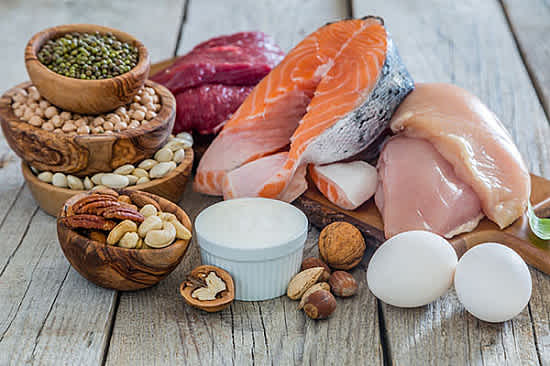
The Rising Popularity of Protein-Rich Foods Among Health-Conscious Individuals


Hidden Sugars in Your Diet: How to Spot and Replace Them

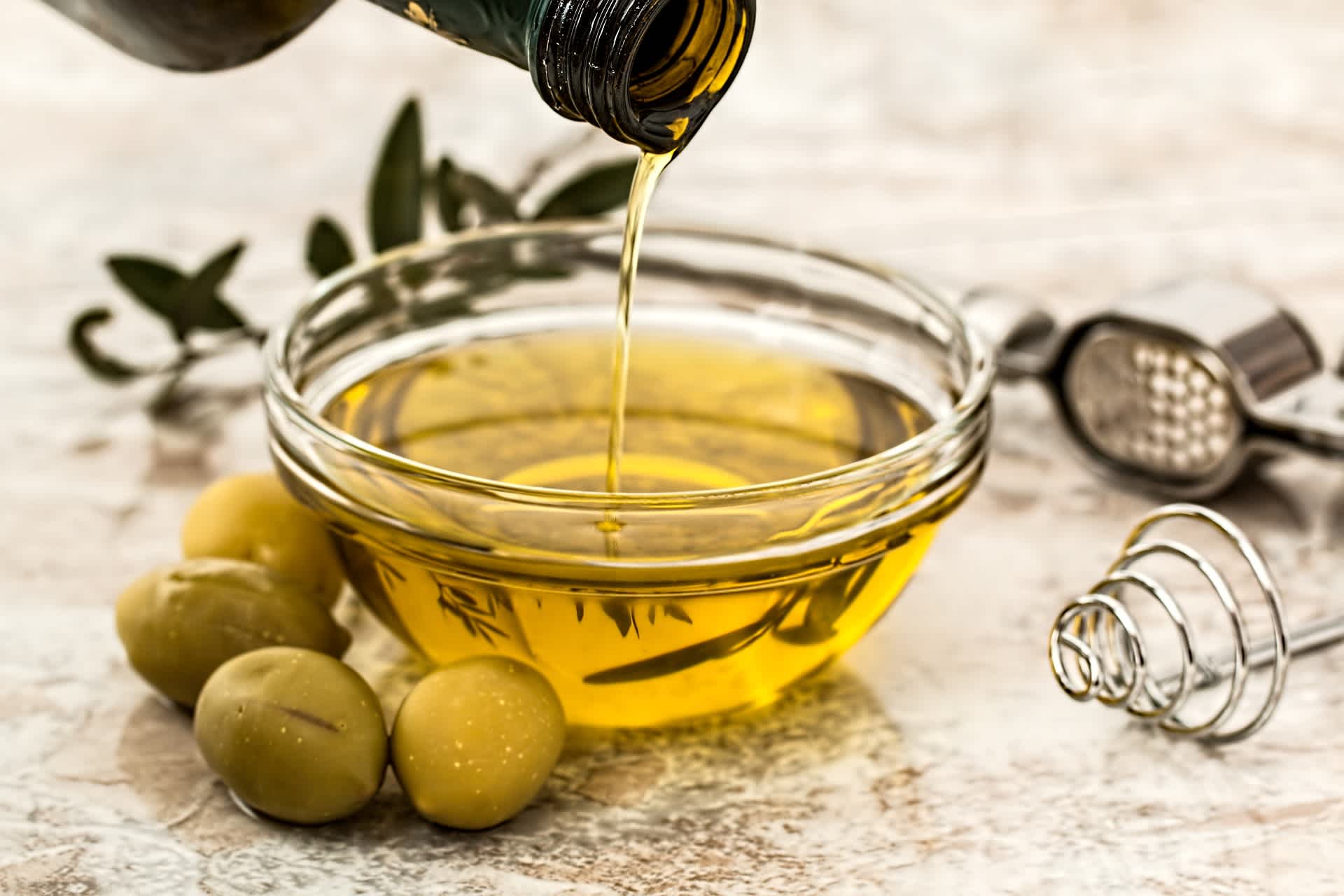
The Best 5 Olive Oils and Their Benefits in 2025

What Are The Healthy Good Foods to Add In Our Daily Lifestyle