
How to Stick to a Diet Long Term: Proven Strategies for Sustainable Weight Loss
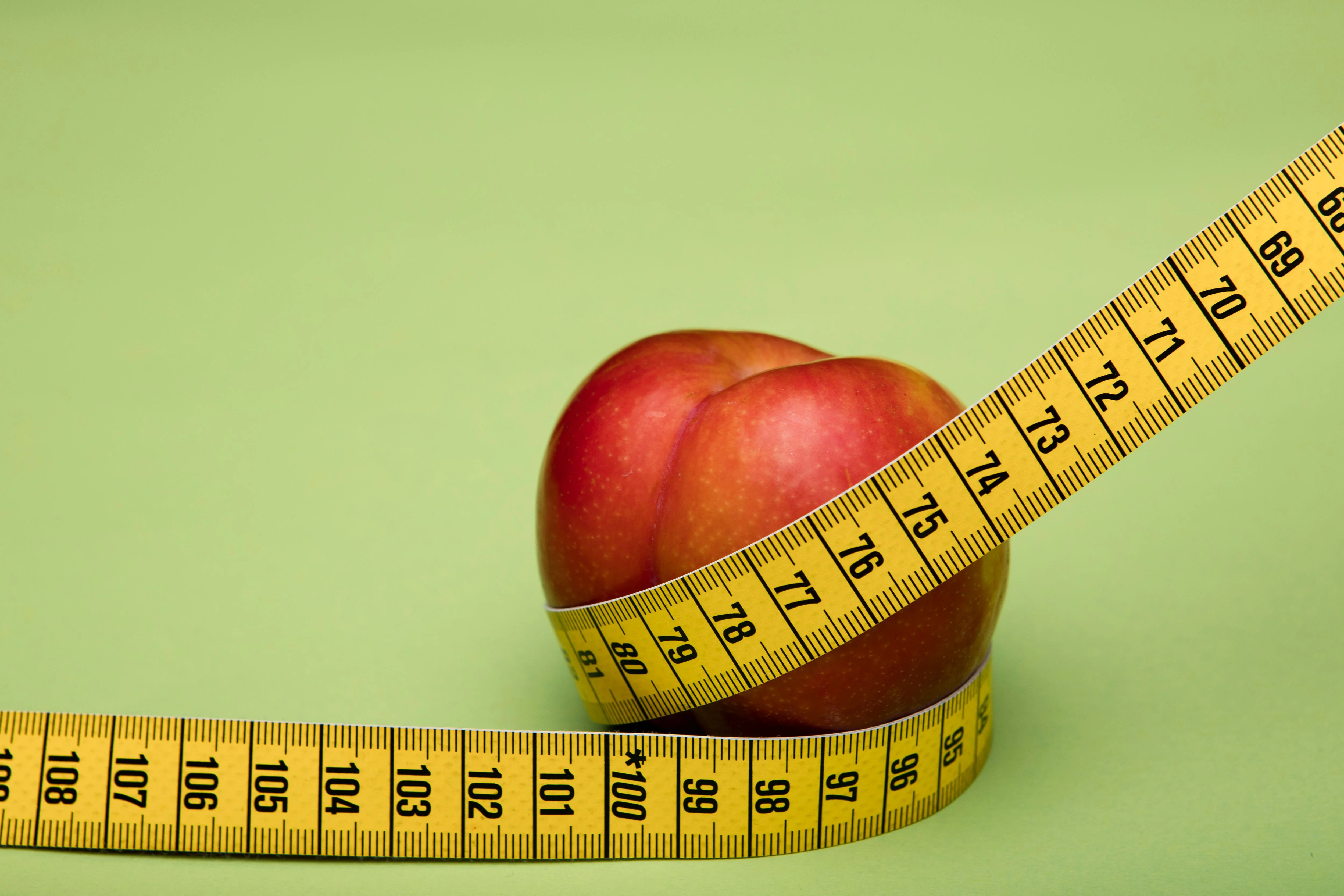
To stick to a diet long term, focus on creating sustainable eating habits rather than following restrictive rules. Choose a balanced diet that includes foods you enjoy, practice portion control, plan your meals, stay hydrated, and allow occasional treats in moderation. Set realistic goals, avoid an all-or-nothing mindset, and prioritize consistency over perfection. Building healthy habits gradually and making lifestyle changes that fit your routine are the keys to long-term success and lasting results.
How to Stick to a Diet Long Term: A Guide to Sustainable Lifestyle Changes
Starting a diet is often the easy part. Staying consistent with it for weeks, months, or even years is where most people struggle. Many diets promise quick results, but they are often so restrictive that people eventually give up and return to their old eating habits. This cycle of dieting, quitting, and starting over can be frustrating and discouraging.
The truth is that successful weight management and healthy eating are not about following a perfect diet for a few weeks. They are about creating sustainable habits that fit your lifestyle and can be maintained long-term. Instead of focusing on temporary solutions, it's important to build a healthy relationship with food and make gradual changes that you can stick with.
In this guide, you'll learn practical strategies for staying consistent with your diet and turning healthy eating into a lasting lifestyle rather than a short-term challenge.
Why Most Diets Fail
Many diets fail because they rely on extreme restrictions. People often eliminate entire food groups, drastically reduce calories, or follow rigid meal plans that are difficult to maintain.
Common reasons diets fail include:
Unrealistic expectations
Restrictive food rules
Lack of flexibility
Feeling deprived
Social pressures
Poor planning
When a diet feels like punishment, it's only a matter of time before motivation fades. Sustainable success comes from creating habits that feel manageable and enjoyable.
Set Realistic Goals
Many people begin a diet with ambitious expectations, hoping to lose a large amount of weight in a very short period.
While rapid weight loss may sound appealing, it is often difficult to maintain and can lead to frustration.
Focus on realistic goals such as:
Losing weight gradually
Eating more vegetables
Drinking more water
Cooking at home more often
Limit processed foods
Smaller goals create momentum and help build confidence as you progress.
Avoid the All-or-Nothing Mentality
One of the biggest obstacles to long-term success is believing that a single mistake ruins everything.
For example, someone may eat a healthy breakfast and lunch but then enjoy a slice of cake at a celebration. Instead of moving on, they decide the day is ruined and continue overeating.
Healthy eating isn't about perfection.
A single meal or snack does not determine your success. What matters is your overall pattern of eating over weeks and months.
Learning to move forward after occasional indulgences is an important part of maintaining a healthy lifestyle.
Focus on Adding, Not Just Removing
Many diets emphasize what you cannot eat.
A more effective approach is to focus on adding nutritious foods to your meals.
Try incorporating:
More vegetables
Fresh fruits
Lean proteins
Whole grains
Healthy fats
Fiber-rich foods
When your diet is filled with satisfying and nutrient-dense foods, make it easier to maintain healthy eating habits over time.
This positive approach feels less restrictive and is easier to maintain.
Allow Yourself Flexibility
A sustainable diet should include foods you enjoy.
Eliminating your favourite treats often leads to cravings and feelings of deprivation.
Instead, practice moderation.
You can enjoy:
Pizza occasionally
Ice cream in reasonable portions
Restaurant meals
Holiday treats
The goal is balance, not perfection.
Flexible eating can help reduce feelings of restriction and support long-term consistency.
Learn Portion Control
You don't always need to eliminate certain foods to improve your diet. Sometimes, adjusting portion sizes is enough.
Portion awareness helps you:
Manage calorie intake
Enjoy favorite foods responsibly
Avoid overeating
Simple strategies include:
Using smaller plates
Eating slowly
Paying attention to hunger signals
Avoiding mindless snacking
Learning portion control allows you to enjoy a variety of foods while maintaining progress.
Meal Planning Makes a Difference
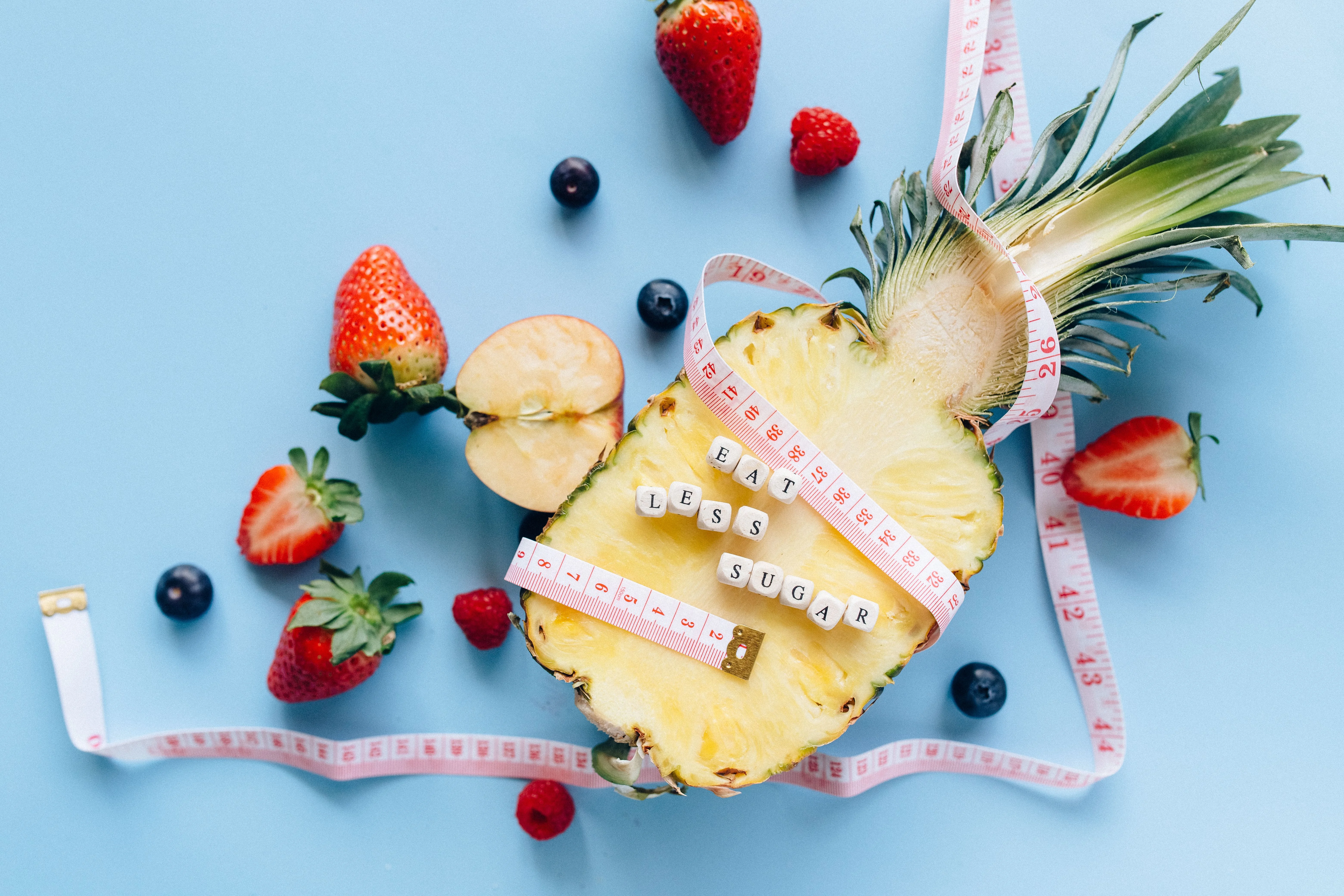
One of the biggest reasons people abandon healthy eating is a lack of preparation.
When you're hungry and don't have healthy options available, convenience often wins.
Meal planning helps by:
Reducing impulsive food choices
Saving time during the week
Supporting consistency
Lowering stress around meals
You don't need an elaborate meal-prep routine. Even planning a few meals can make healthy eating much easier.
Keep Healthy Foods Accessible
Your environment influences your eating habits more than you may realize.
Make healthy choices easier by keeping nutritious foods visible and convenient.
Examples include:
Washed fruit in the refrigerator
Cut vegetables ready to eat
Healthy snacks available at work
Prepared meals for busy days
At the same time, limit easy access to foods that tend to trigger overeating.
Small environmental changes can have a significant impact on long-term success.
Don't Rely Solely on Motivation
Motivation comes and goes. Some days you'll feel excited to eat healthy, while other days you won't.
This is normal.
Long-term success depends on habits, not motivation.
Create routines that make healthy choices automatic:
Eat meals at regular times
Plan grocery shopping
Prepare healthy snacks
Schedule exercise sessions
When healthy behaviours become habits, they require less willpower.
Stay Hydrated
Some people may find that drinking water regularly helps them manage unnecessary snacking.
Drinking enough water throughout the day can:
Support digestion
Improve energy levels
Help control appetite
Support overall health
Many people find that increasing water intake helps reduce unnecessary snacking.
A simple goal is to keep a water bottle nearby and sip consistently throughout the day.
Track Progress Beyond the Scale
Countless people become disheartened when the scale doesn't move as fast as expected.
However, weight is only one measure of progress.
Other signs of success include:
Better energy levels
Improved sleep
Stronger workouts
Better digestion
Improved mood
Healthier eating habits
Recognizing these non-scale victories helps maintain motivation over the long term.
Be Patient with the Process
Healthy lifestyle changes take time.
Lasting results are rarely achieved in a few weeks.
Instead of focusing on rapid transformation, focus on consistency.
Remember:
Small improvements add up.
Progress is rarely linear.
Setbacks are normal.
Long-term habits matter more than short-term perfection.
Patience allows healthy behaviours to become part of your identity rather than something you temporarily force yourself to do.
Create a Lifestyle You Enjoy
The most successful diet is the one that fits your lifestyle, preferences, and health needs.
If your eating plan feels miserable, restrictive, or exhausting, it is unlikely to last.
Find healthy foods you genuinely enjoy.
Experiment with:
New recipes
Different vegetables
Healthy cooking methods
Balanced meals
The more enjoyable your lifestyle becomes, the easier it is to stay consistent.
Final Thoughts
Learning how to stick to a diet long-term is less about finding the perfect meal plan and more about creating sustainable lifestyle changes that fit your everyday life. Extreme restrictions, quick fixes, and unrealistic expectations often lead to frustration and difficulty maintaining over time. In contrast, small, consistent habits practiced over time can produce lasting results and improve your overall health. Medical Disclaimer: This article is for informational purposes only and does not replace professional medical advice. If you have specific health conditions or dietary concerns, consult a qualified healthcare professional before making major changes to your diet.
References & Scientific Sources
World Health Organization.
(2020).
Healthy Diet: Key Facts.
https://www.who.int/news-room/fact-sheets/detail/healthy-diet
Centers for Disease Control and Prevention.
(2024).
Healthy Eating for a Healthy Weight.
Harvard T.H. Chan School of Public Health.
(2024).
The Nutrition Source: Healthy Eating Plate.
https://nutritionsource.hsph.harvard.edu/healthy-eating-plate/
National Institute of Diabetes and Digestive and Kidney Diseases (NIDDK).
(2023).
Weight Management.
https://www.niddk.nih.gov/health-information/weight-management
U.S. Department of Agriculture.
(2020).
Dietary Guidelines for Americans, 2020–2025 (9th ed.).

The Rising Popularity of Protein-Rich Foods Among Health-Conscious Individuals


Hidden Sugars in Your Diet: How to Spot and Replace Them


The Best 5 Olive Oils and Their Benefits in 2025


What Are The Healthy Good Foods to Add In Our Daily Lifestyle