
High Carb Foods: Benefits, Types, and the Best Healthy Choices for Your Diet
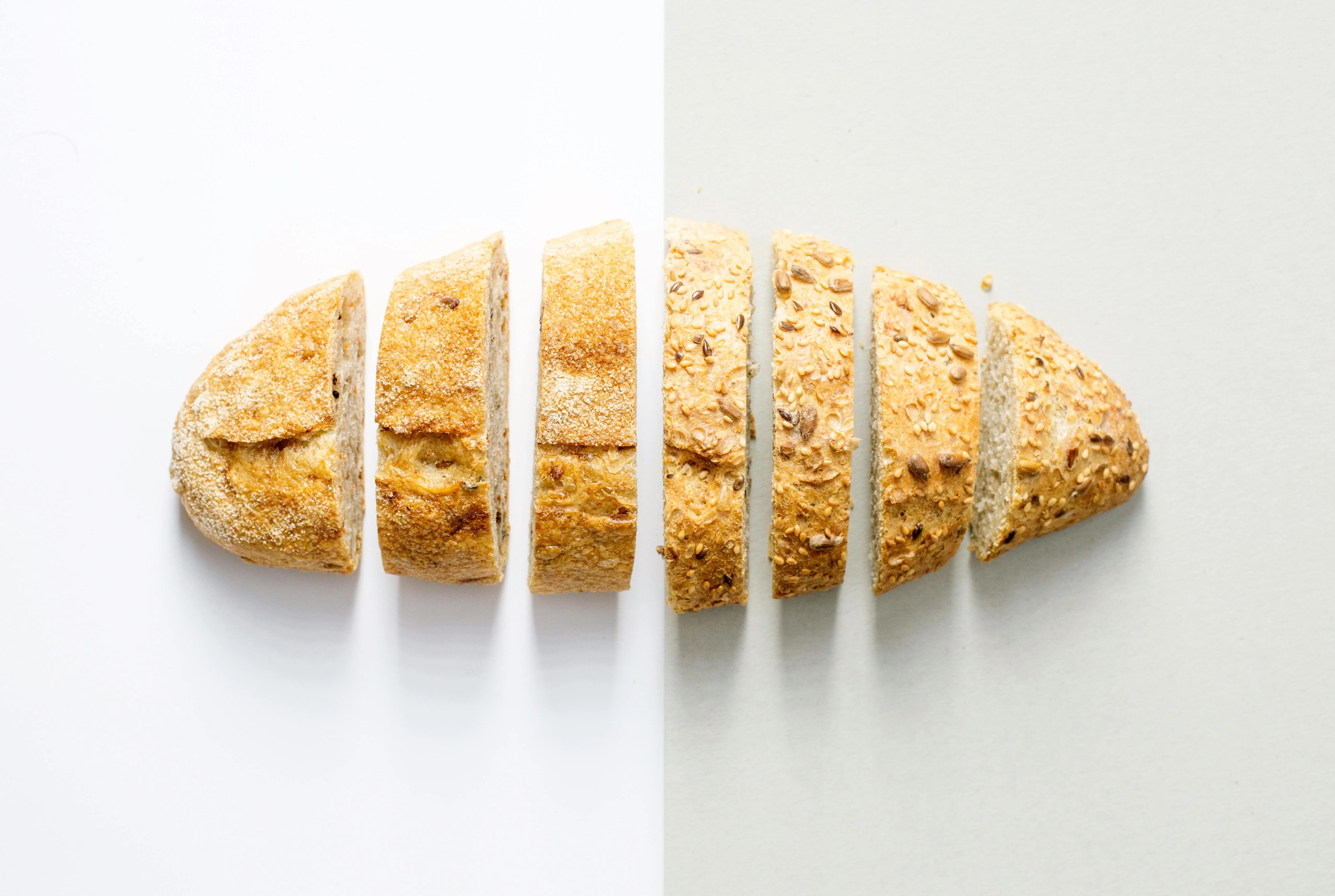
Carbohydrates are often misunderstood. While low-carb diets have gained popularity, high-carb foods continue to play a vital role in a balanced and healthy diet. From providing instant energy to supporting brain function, carbohydrates are the body’s primary fuel source.
In this article, we’ll explore what high-carb foods are, their health benefits, healthy vs unhealthy carbs, a list of high-carb foods, and who should include them in their diet—all explained simply and backed by nutrition science.
What Are High-Carb Foods? High-carb foods are foods that derive a significant portion of their calories from carbohydrates. Along with proteins and fats, carbohydrates are one of the three primary macronutrients. There are three main types of carbohydrates: • Starches • Sugars • Fiber Foods rich in carbohydrates typically contain more than 60% of calories from carbs. These foods are especially important for athletes, growing children, physically active individuals, and people needing quick energy.
Why Are Carbohydrates Important for the Body? Carbohydrates are not the enemy. In fact, they are essential for:
1. Energy Production Carbs break down into glucose, which fuels your muscles, organs, and brain.
2. Brain Function The brain relies heavily on glucose. Low carb intake may lead to fatigue, poor focus, and mood swings.
3. Digestive Health Fiber-rich, high-carb foods support gut health and help prevent constipation.
4. Muscle Recovery After workouts, carbohydrates help replenish glycogen stores, aiding faster recovery.
Healthy vs Unhealthy High Carb Foods Not all high-carb foods are created equal. The key difference lies in quality and processing. Healthy High Carb Foods
• Whole grains
• Fruits
• Vegetables
• Legumes
• Starchy vegetables
These foods are rich in antioxidants, fibre, vitamins, and minerals.
Unhealthy High-Carb Foods
• White bread
• Sugary cereals
• Pastries
• Soft drinks
• Processed snacks
These are often high in refined sugars and low in nutrition.
List of High Carb Foods (Healthy Options)

Below is a categorized list of healthy high-carb foods you can include in your daily diet.
1. Whole Grains Whole grains are among the best carbohydrate-rich foods. Examples:
• Brown rice
• Oats
• Quinoa
• Whole wheat bread
• Millets (ragi, jowar, bajra)
Benefits:
• High in fiber
• Improves digestion
• Helps control blood sugar levels
2. Fruits High in Carbohydrates Fruits include vitamins, antioxidants, and natural sugars. High-carb amounts of fruits include:
• Bananas
• Mangoes
• Apples
• Grapes
• Chikoo (sapota)
Benefits:
• Quick energy
• Supports immunity
• Improves skin health
3. Starchy Vegetables Starchy vegetables are nutrient-dense and filling.
Examples:
• Potatoes
• Sweet potatoes
• Corn
• Pumpkin
• Green peas
Why include them?
• Rich in potassium
• Keeps you full longer
• Excellent for active lifestyles
4. Legumes and Pulses Legumes are high in carbs and protein, making them ideal for vegetarians.
Examples:
• Lentils (dal)
• Chickpeas
• Kidney beans (rajma)
• Black beans
Health benefits:
• Stabilizes blood sugar
• Improves gut health
• Supports muscle growth
5. Dairy Products
Some dairy products contain moderate to high amounts of carbohydrates. Examples:
• Milk
• Yogurt
• Curd These provide lactose, a natural carbohydrate, along with calcium and protein.
6. Traditional Indian High-Carb Foods Indian diets naturally include many healthy carb sources.
Examples:
• Rice
• Idli
• Dosa
• Poha
• Upma
When prepared with minimal oil, these foods are nutritious and energy-rich.
High Carb Foods for Weight Gain
If your goal is healthy weight gain, high-carb foods can help when paired with adequate protein. Best high-carb foods for weight gain:
• Rice with dal
• Oats with milk
• Bananas with peanut butter
• Sweet potatoes
• Homemade smoothies
These foods increase calorie intake without compromising nutrition.
High Carb Foods for Athletes and Active People Athletes require more carbohydrates to sustain performance. Ideal choices include:
• Brown rice
• Pasta (whole wheat)
• Fruits
• Energy bars (homemade)
Carbs before workouts provide energy, while post-workout carbs aid recovery.
Are High-Carb Foods Good for Weight Loss? Yes—when chosen wisely. High fiber carbs slow digestion and reduce overeating. Best high-carb foods for weight loss:
• Oats
• Brown rice
• Fruits
• Vegetables
• Lentils
Avoid refined and sugary carb sources for the best results.
How Much Carbohydrate Should You Eat Daily? According to nutrition guidelines:
• 45–65% of daily calories should come from carbohydrates. For an average adult:
• 225–325 grams of carbs per day (depending on activity level) Balance is key. Gaining weight can result from consuming too much of any macronutrient.
Common Myths About High-Carb Foods Myth 1: Carbs make you fat
Truth: Excess calories cause weight gain, not carbs alone.
Myth 2: All carbs are unhealthy
Truth: Whole carbs are essential for good health.
Myth 3: Low-carb is best for everyone
Truth: Individual needs vary based on lifestyle and health goals.
Tips to Include High-Carb Foods in a Healthy Way
• Choose whole, unprocessed carbs
• Combine carbs with protein and healthy fats
• Watch portion sizes
• Avoid sugary drinks and refined snacks
• Eat carbs earlier in the day for better energy utilization
High Carb Foods and Blood Sugar Management
One common concern about high-carb foods is their effect on blood sugar levels. While refined carbohydrates can cause sudden spikes in blood glucose, healthy high-carb foods rich in fiber digest slowly and help maintain stable sugar levels. Foods such as oats, whole grains, legumes, fruits, and vegetables have a low to moderate glycemic index, making them safer for long-term consumption.
For people with diabetes or insulin sensitivity, portion control and food pairing are essential. Combining carbohydrate-rich foods with protein, healthy fats, or fiber slows glucose absorption and prevents rapid blood sugar fluctuations. For example, pairing brown rice with dal or eating fruit with nuts can improve metabolic response.
Role of High Carb Foods in Gut Health
High-carb foods that contain dietary fiber play a crucial role in maintaining a healthy digestive system. Fiber feeds beneficial gut bacteria, supports regular bowel movements, and reduces the risk of digestive disorders. Whole grains, legumes, fruits, and vegetables act as prebiotics, promoting better gut microbiome balance.
A healthy gut not only improves digestion but also enhances immunity, mental health, and nutrient absorption. Including a variety of fiber-rich carbohydrate foods daily can significantly improve overall health and energy levels.
Final Takeaway
When consumed in the right form and quantity, high-carb foods are not harmful—in fact, they are essential. Choosing natural, unprocessed carbohydrate sources supports sustained energy, digestive health, and metabolic balance, making them a smart and necessary component of a healthy lifestyle.
Conclusion: Should You Eat High-Carb Foods?
High-carb foods are an essential part of a balanced diet when chosen wisely. They fuel your body, support brain function, improve digestion, and help maintain energy levels throughout the day.
Instead of fearing carbohydrates, focus on quality, balance, and moderation. Healthy high-carb foods like whole grains, fruits, vegetables, and legumes can improve overall well-being and support long-term health goals.

The Rising Popularity of Protein-Rich Foods Among Health-Conscious Individuals


Hidden Sugars in Your Diet: How to Spot and Replace Them


The Best 5 Olive Oils and Their Benefits in 2025

What Are The Healthy Good Foods to Add In Our Daily Lifestyle